Destination · Indonesia
Quieter bays, reef breaks, and open surf journeys on Indonesia’s laid-back island.
01Discover the coastline · The island of balance
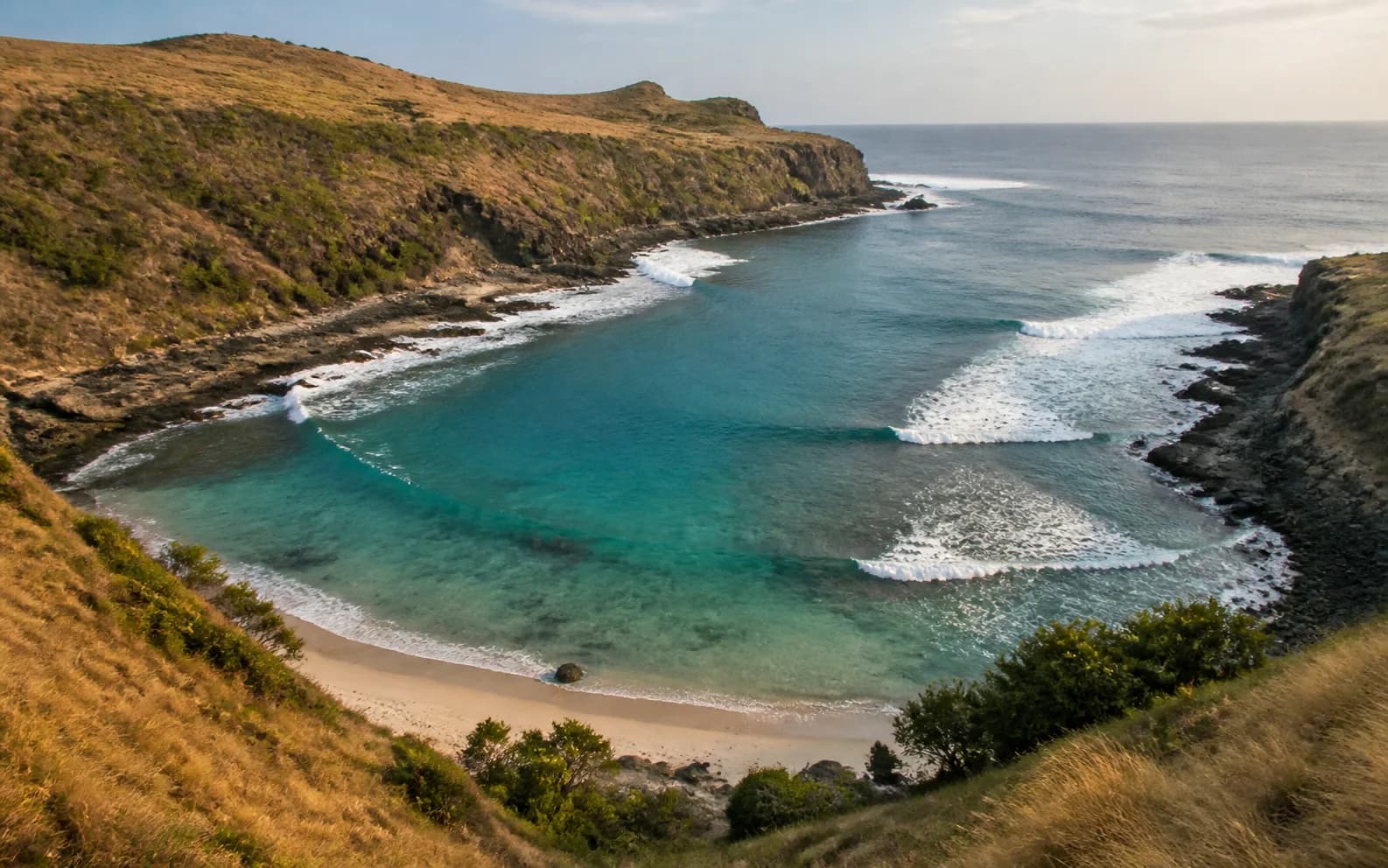
Lombok offers a calmer counterpoint to Bali — Gerupuk’s bay peaks, Kuta’s beach breaks, Selong Belanak’s playful walls, and the legendary Desert Point when the swell and tide align.
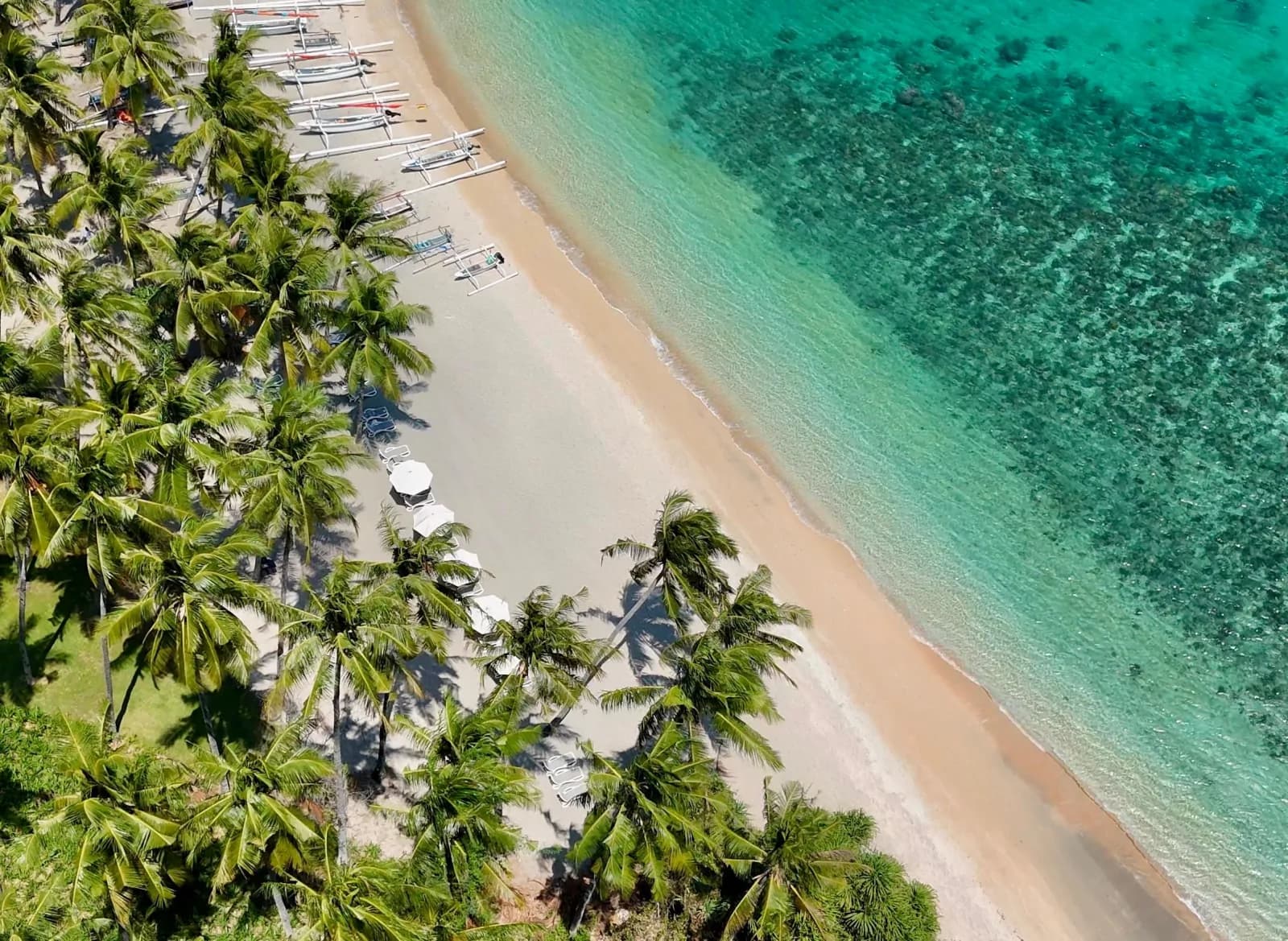
South-coast villages keep the pace slower; scooter loops cover most sessions, and boat mornings open Gerupuk’s reef peaks when the wind sits right.

“Quieter bays, reef breaks, and open surf journeys on Indonesia’s laid-back island.”
Ombak Surf · Lombok destination file
02At a glance
03Featured wave · Desert Point
A performance shortboard matches the wave's speed and power.
Evidence-led fit, not a safety rating.Limited fit
Only consider equipment with local guidance in unusually small, clean windows.
Limited fit
Do not generalise a rare small-day window to the main wave.
Excellent fit
Extremely shallow reef and tide sensitivity make this a high-consequence wave.

Point Break
Expert OnlyDesert Point
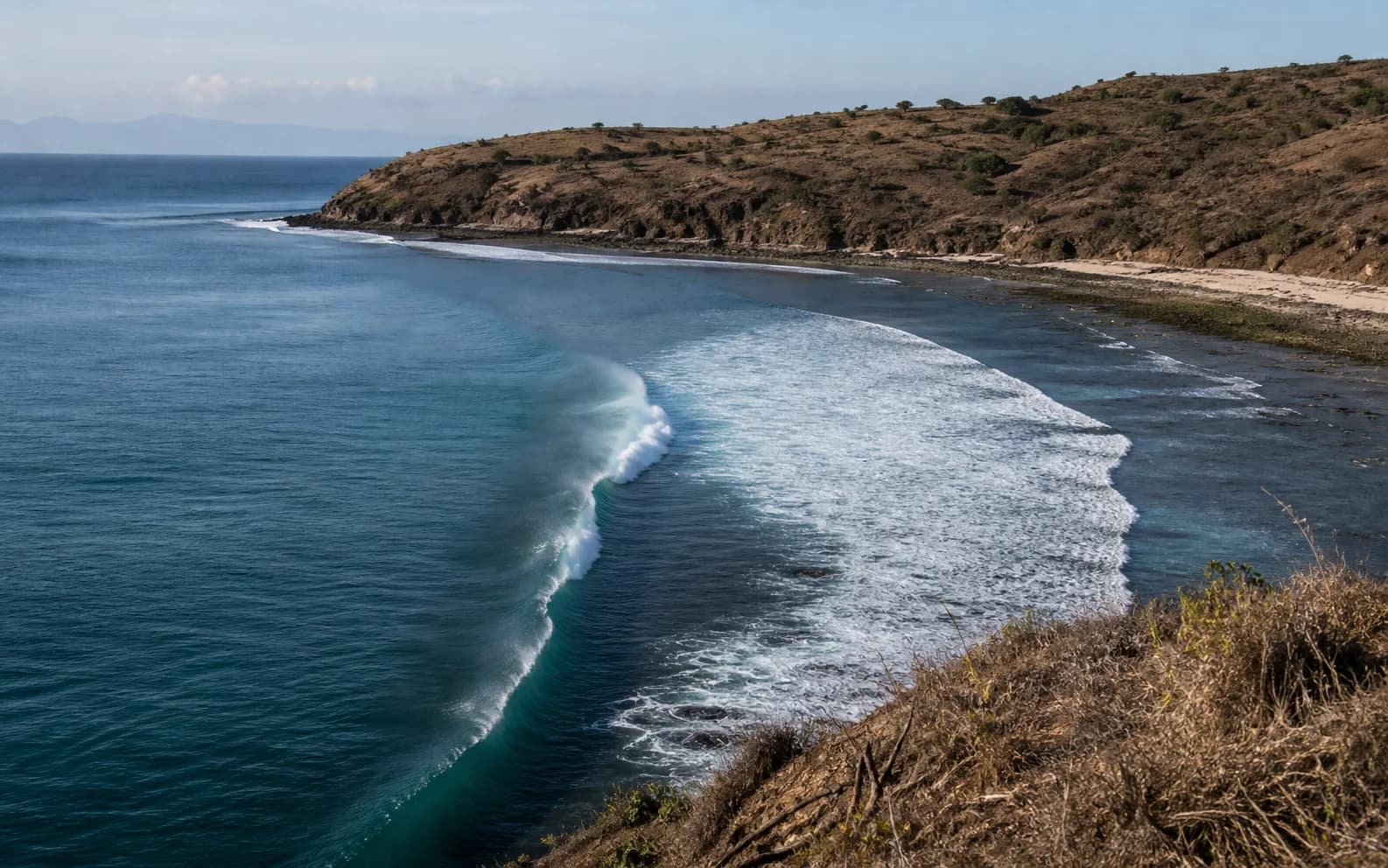
One of the longest left-hand point breaks on the planet — a grinding barrel that runs down a remote Bangko-Bangko ree…
04Conditions · Desert Point
Modelled swell, wind, tide, and a seven-day outlook for this break—not a live reef observation.
Today at Desert Point
7-day outlook
Local notes
Dry season trades bring cleaner faces to south and southwest exposures. Desert Point needs swell, tide, and patience — most travelers base in Kuta Lombok and day-trip when the window opens.
Etiquette
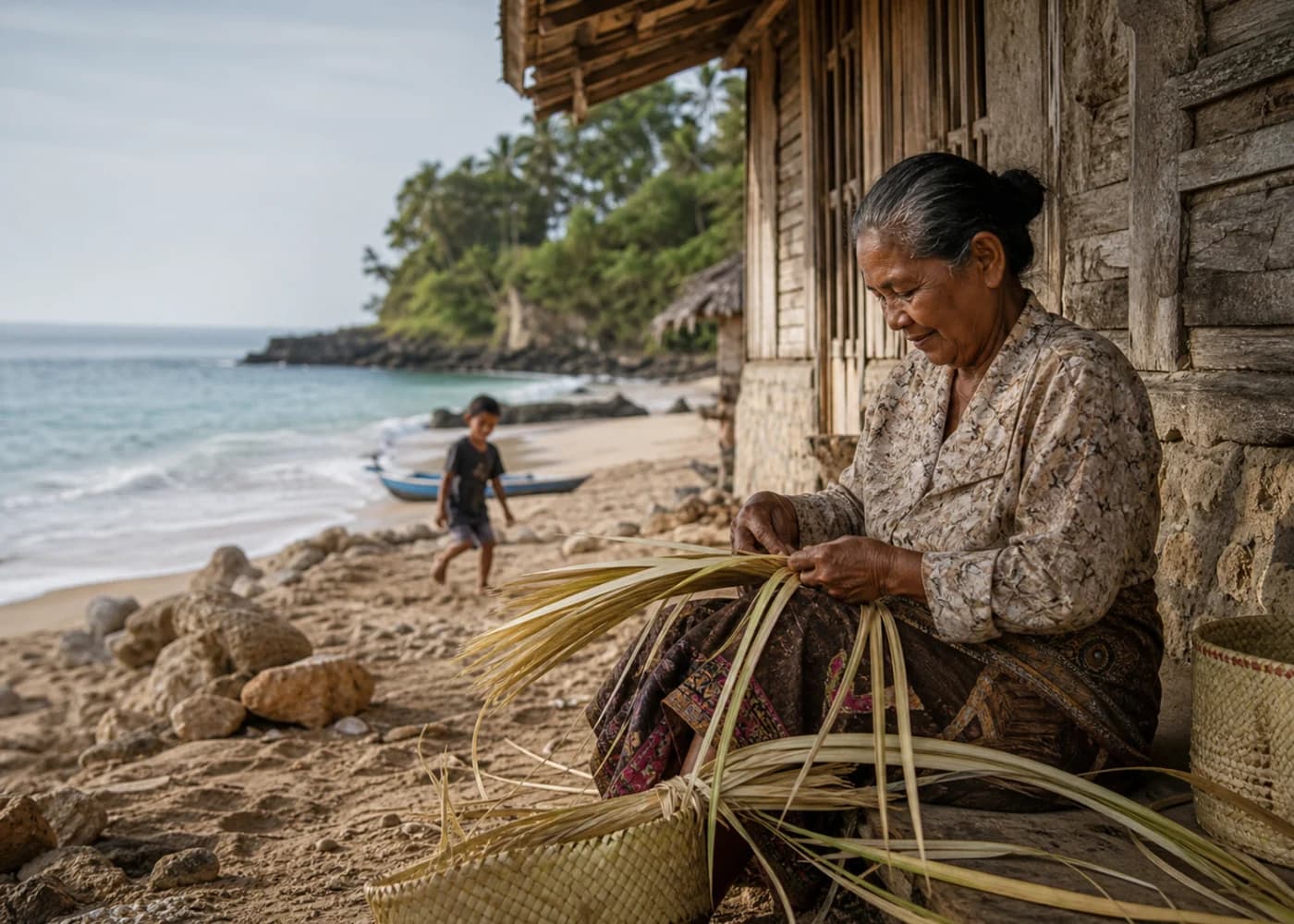
Lombok is predominantly Muslim with living Sasak cultural sites. South-coast surf hubs are tourist-tolerant, but village, temple/mosque, and community sites (e.g. Sade) deserve modest dress and post-disruption sensitivity.
Questions, answered
Editorially reviewed 11 Sept 2026
Lombok can work for surfers progressing from forgiving beach waves to reef and bay setups, as well as experienced surfers targeting specific conditions. The island contains very different waves: a lesson-friendly beach and an advanced reef should never be presented as the same decision.
Dry-season trade winds often create cleaner windows on south and southwest exposures. Conditions still depend on the break, tide, swell, and wind, so use the seasonal pattern as planning context and check the day locally before committing to a session.
Kuta Lombok is the practical base for the Kuta, Gerupuk, and Selong Belanak area. Desert Point is a different west-coast mission, so choose a separate base only when that wave and its conditions are the real focus of the trip.
The bay's reef peaks are commonly reached by local boat, with the exact launch, fee, weather window, and safety call handled locally. Bring a dry bag, protect boards for boat handling, and confirm the current arrangement rather than treating a past trip report as a timetable.
Bring a board when a specific shape matters or when you are planning reef sessions and more remote days. Rental and transfer options vary by zone; if arriving by air or fast boat, confirm the current board policy and make the airport transfer board-friendly in advance.
Desert Point is a powerful, tide-sensitive reef wave rather than a casual extension of a Kuta Lombok stay. It deserves its own level assessment, transport plan, reef preparation, and current local guidance; do not build a short trip around it unless those pieces line up.