Destination · Indonesia
Classic breaks and local character from Grajagan to the south coast.
01Discover the coastline · Five coasts, one island
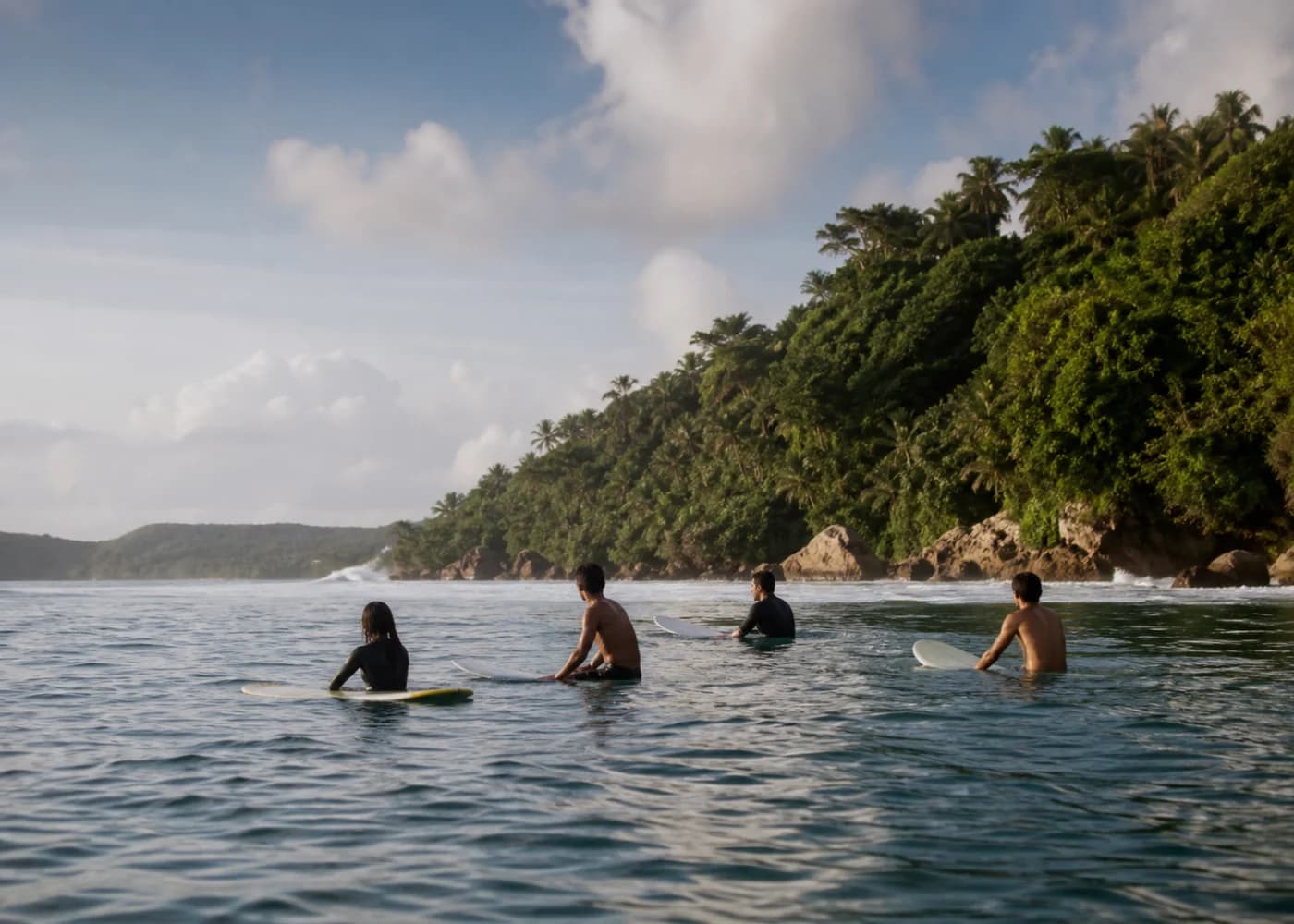
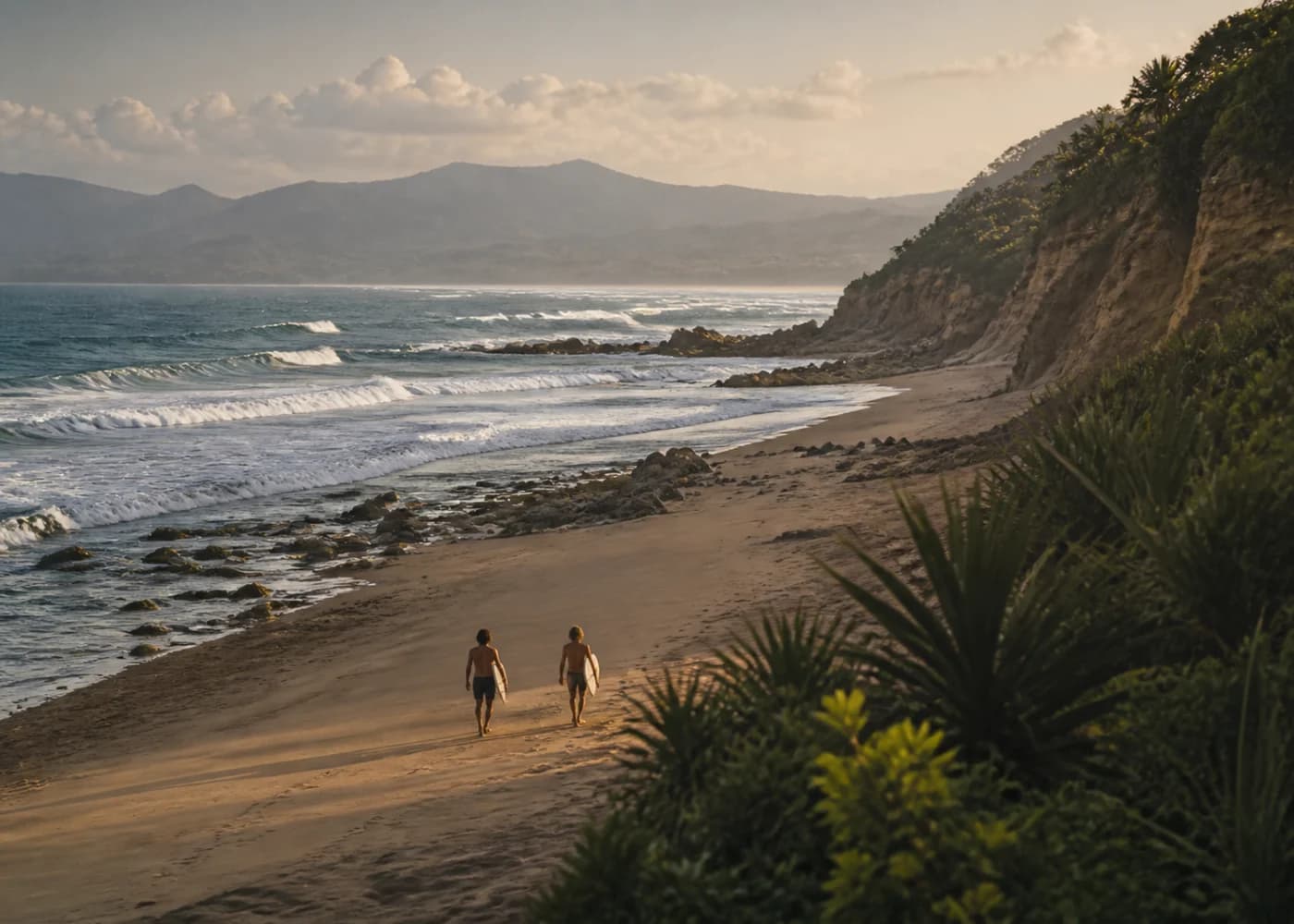
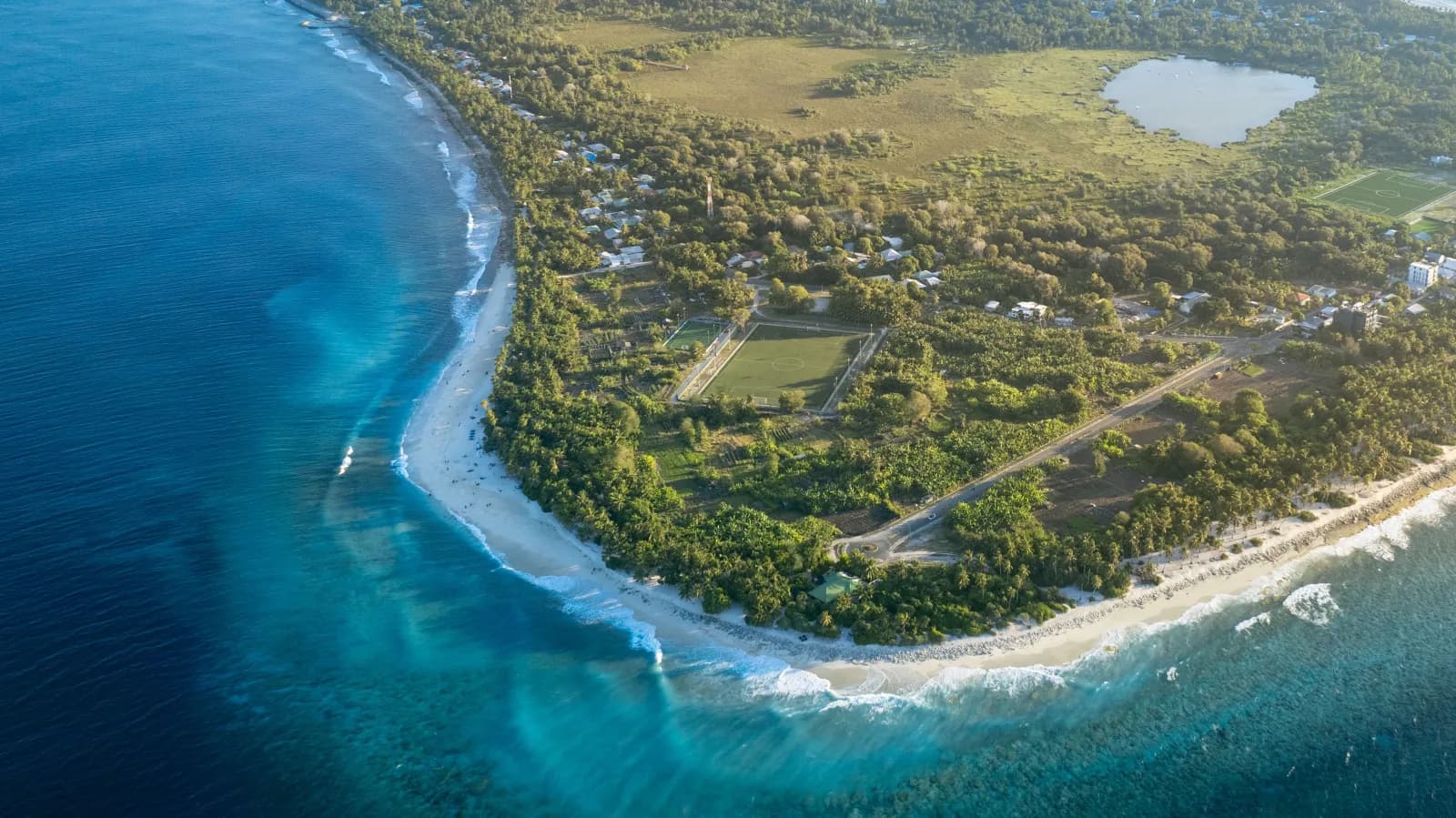
Java is a multi-region surf island: G-Land’s remote national-park left, Pacitan reefs, beginner-friendly Batu Karas, Jakarta-adjacent Cimaja, and expert Panaitan charters in Ujung Kulon. Logistics change by zone — pick the corridor before you pack the quiver.

“Classic breaks and local character from Grajagan to the south coast.”
Ombak Surf · Java destination file
02At a glance
03Featured wave · G-Land
Fast, hollow sections are a classic shortboard or step-up proposition.
Evidence-led fit, not a safety rating.Limited fit
Possible
Excellent fit
Reef Break
Expert OnlyG-Land
A legendary left-hand reef point along the eastern shore of Grajagan Bay inside Alas Purwo National Park — a surf zon…
04Conditions · G-Land
Modelled swell, wind, tide, and a seven-day outlook for this break—not a live reef observation.
Today at G-Land
7-day outlook
Local notes
Dry-season surf April–October (peak June–September) on south/Indian Ocean coasts. G-Land camps are mainly dry-season operations — verify open dates before booking.
Etiquette
Java is predominantly Muslim (unlike Hindu-majority Bali). Dress modestly off the beach; national parks enforce entry fees, ranger registration, and leave-no-trace rules.
Questions, answered
Editorially reviewed 11 Sept 2026
Java is a large island with distinct surf corridors, not a single interchangeable trip. Cimaja, Batu Karas, Pacitan, G-Land, and Panaitan have different gateways, roads, access constraints, and wave profiles. Pick the zone first, then make the transport and board plan around it.
The Indian Ocean-facing coast is generally strongest in the dry-season window, with many trips focused on roughly April to October. Rain, roads, camp operations, and each break's exposure still vary; confirm current local conditions and seasonal access before travelling.
Batu Karas is a more forgiving starting point than Java's demanding reef and park waves. A first session still needs an appropriate tide, conditions, and local instruction; do not choose an advanced break merely because it is on the same island.
Both are remote, logistics-led surf trips rather than quick day trips. Work through a camp or verified operator, confirm the current park-access and transfer arrangement, bring the right boards and reef gear, and leave schedule buffers for weather and operational changes.
Bring your own board for serious reef, park, and remote-zone trips. Rental can be more realistic around beginner-oriented areas, but it should not be assumed at G-Land, Panaitan, or every south-coast stop. Confirm airline and aircraft limits before a domestic leg.
City gateways have more services, while south-coast villages and national-park approaches can be much more cash- and driver-dependent. Arrange the last-mile transport before leaving the city, carry a cash buffer, and verify current park payment requirements with the relevant authority or operator.