Destination · Indonesia
Remote reef breaks and boat-led surf travel.
01Discover the coastline · Surf and soul at the edge
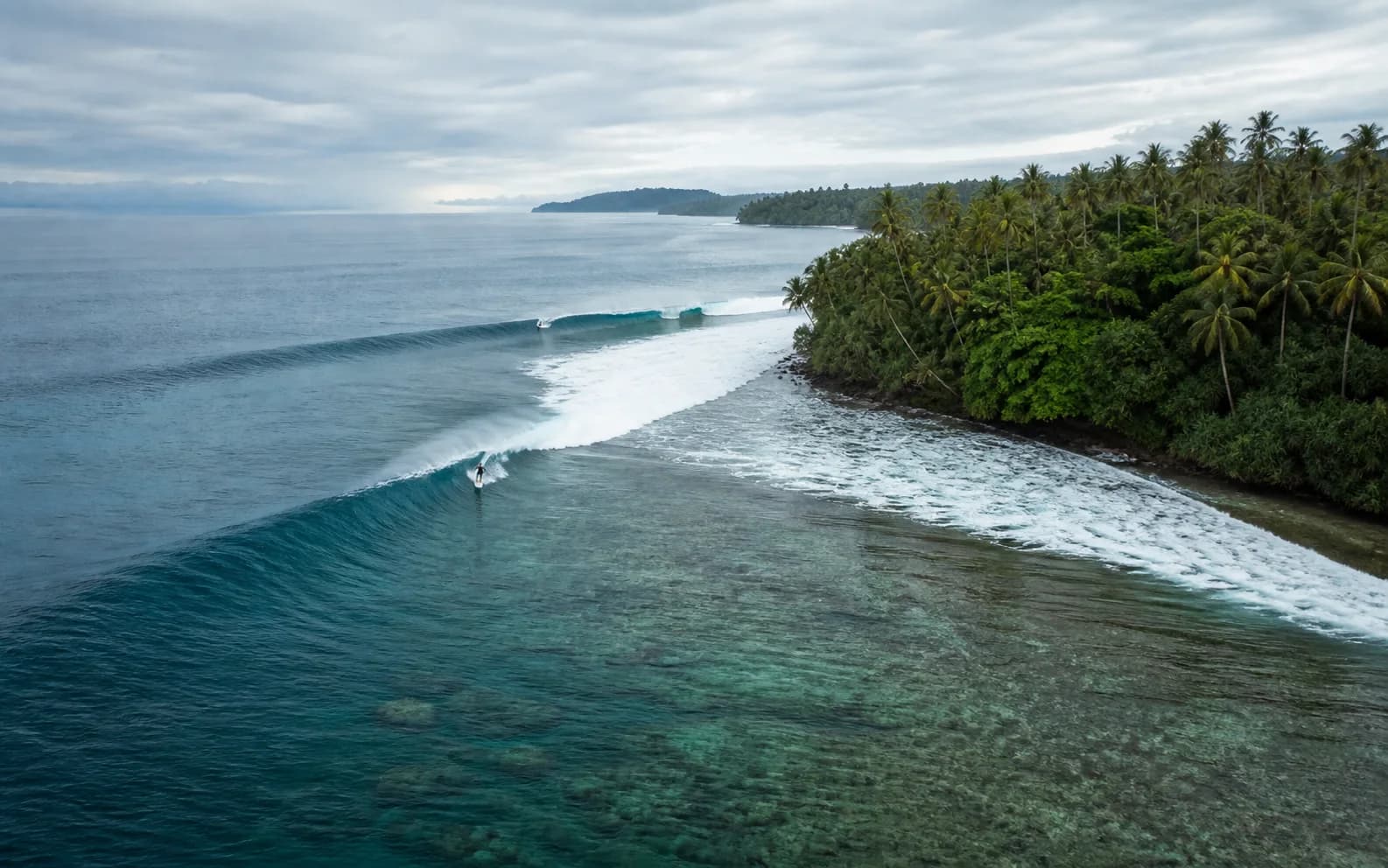
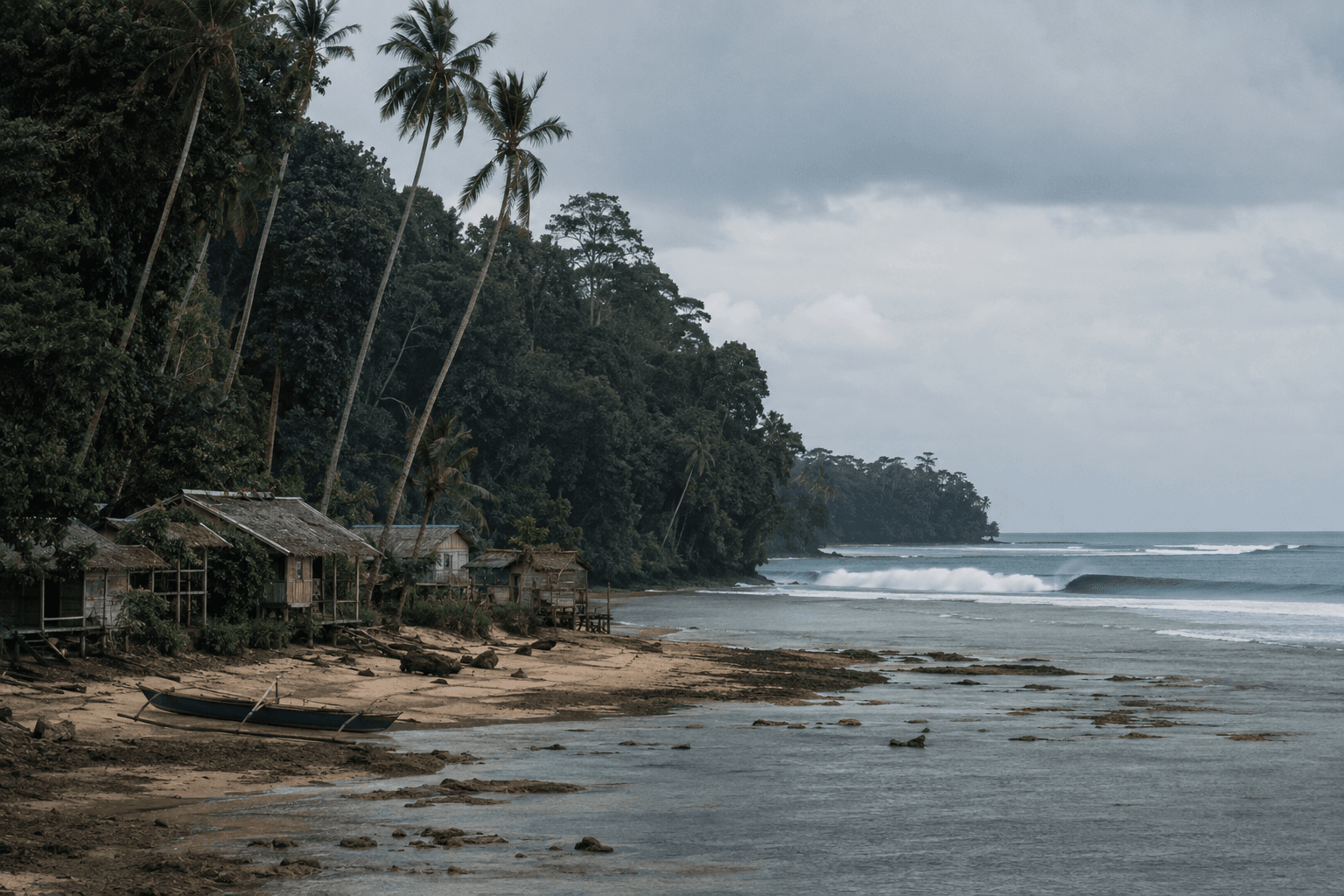
The Mentawai Islands are Indonesia’s deep-water surf frontier — consistent groundswell, hollow reefs, and boat-based travel across Sipora, Siberut, Playgrounds, and Macaronis/Pagai. Living Mentawai culture, including Sikerei and Uma traditions, sits alongside demanding reef waves; plan logistics before choosing a lineup.

“Remote reef breaks and boat-led surf travel.”
Ombak Surf · Mentawai destination file
02At a glance
03Featured wave · Macaronis
Endless rippable sections and barrels suit performance boards.
Evidence-led fit, not a safety rating.Research pending
Good fit
Excellent fit

Reef Break
Expert OnlyMacaronis
A mechanical left reef barrel on North Pagai in the southern Mentawai — one of the most consistent, rippable lefts in…
04Conditions · Macaronis
Modelled swell, wind, tide, and a seven-day outlook for this break—not a live reef observation.
Today at Macaronis
7-day outlook
Local notes
Surf-market season runs roughly April–October, with strongest mid-year demand. Official monthly visitor peaks are unspecified — book around ferry and air buffers, not a fake peak-month chart.
Etiquette
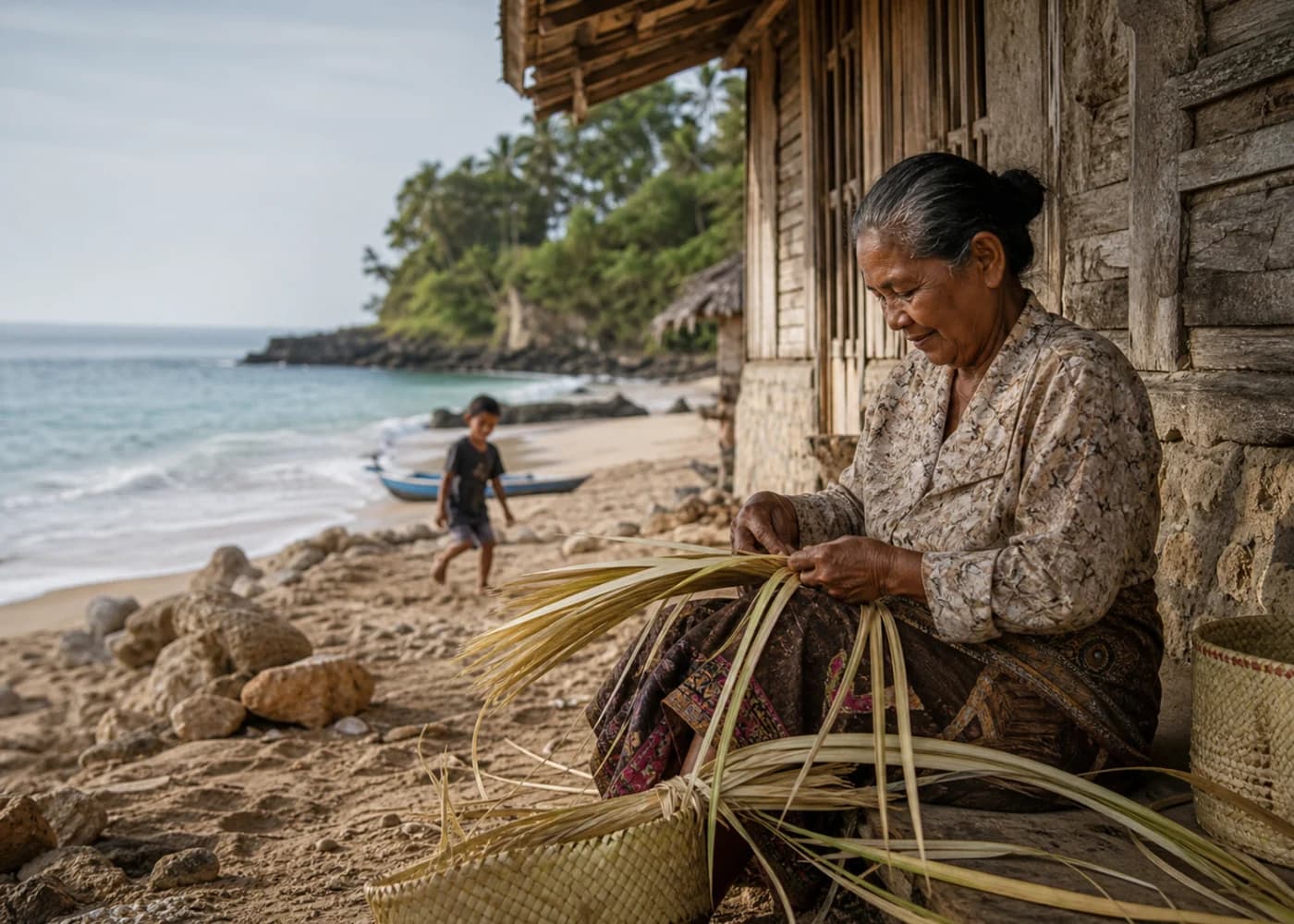
Mentawai’s differentiator is living Mentawai culture (Sikerei, Uma, interior villages) alongside world-class reefs. Treat culture corridors as communities — not props for a surf highlight reel.
Questions, answered
Editorially reviewed 11 Sept 2026
Most classic Mentawai reef waves demand more than a first-wave skill set. Choose a camp or charter that can explain the actual breaks, entries, tides, and fallback options for your ability, and do not treat a remote itinerary as a substitute for surf judgement.
The main surf-travel season is commonly associated with April to October, with stronger demand around the middle of the year. Conditions, ferry operations, and camp availability are not fixed, so plan buffers and verify the current trip shape directly before committing.
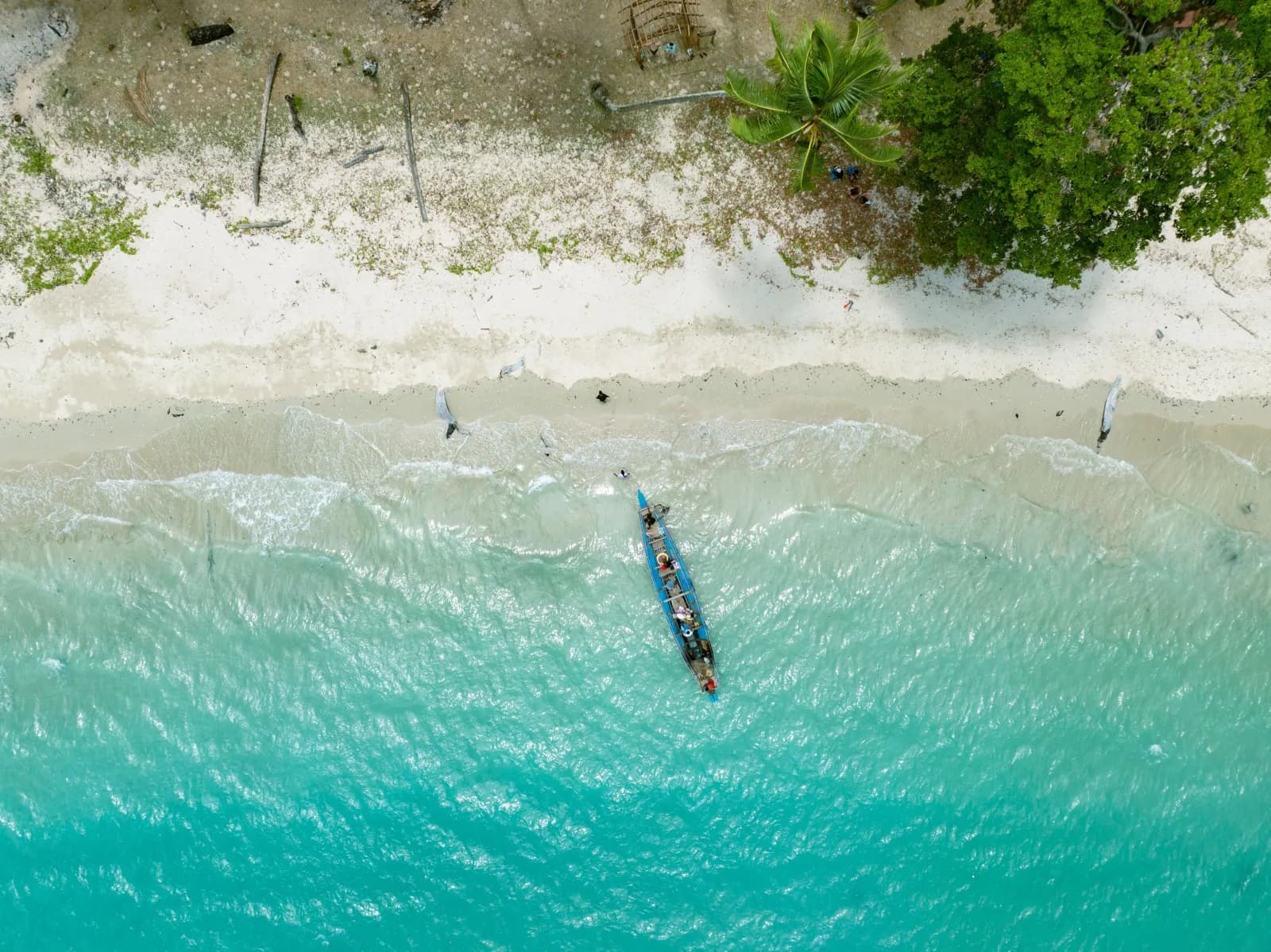
Padang is the usual mainland staging city, followed by an operator-arranged route or an island transfer. Keep buffer nights around both ends of the trip: weather, board handling, and transport schedules can move, and a same-day international connection is an unnecessary risk.
Choose the format around the trip you want. A fixed camp can suit a settled area and familiar rhythm; a charter can move with conditions but involves more time at sea. Ask the operator about the actual break range, safety process, transfer plan, and level fit rather than choosing by accommodation alone.
Treat the trip as remote reef travel: bring the boards you genuinely need, plus spare fins, leashes, reef protection, and a practical ding kit. Small-aircraft and marine transfers can have limits, so confirm board acceptance with every carrier and operator in the chain.
Build cash, medical, connectivity, and travel buffers into the plan before leaving Padang. Any levy, transport schedule, inclusion, or payment process is time-sensitive and should be confirmed with the relevant operator or authority before travel.